A thoughtful body-care ritual starts with understanding what’s in your bottle. With castor seed oil, that means looking beyond the ingredient name to how the plant was grown and how its oil was extracted.
Organic, cold-pressed, and hexane-free each tell a different part of that story. Here’s what they mean and why they’re worth looking for.
First, what is castor seed oil?
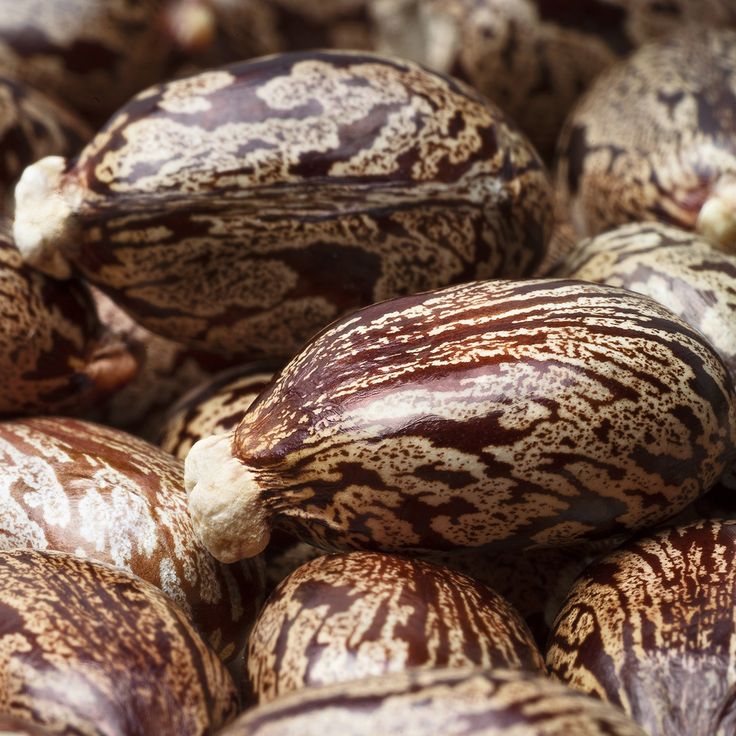
Castor seed oil comes from the seeds of the Ricinus communis plant. On an ingredient label, you’ll find it listed as Ricinus Communis (Castor) Seed Oil. It is rich in fatty acids, predominantly ricinoleic acid, and is used in cosmetics to condition the skin. Its naturally rich texture also makes it well suited to a slow, intentional massage.
Organic: care begins at the source
Certified organic castor oil starts with agricultural practices that meet defined standards. USDA organic rules prohibit most synthetic pesticides and fertilizers, with specific exceptions, and prohibit genetic engineering. Certification also involves oversight of production and handling.
Choosing certified organic supports a more accountable approach to sourcing. It gives you information about how an ingredient was produced, rather than asking you to rely on a vague promise of “natural.”
Organic does not mean pesticide-free or guarantee that an ingredient will suit every skin type. And an organic castor oil ingredient does not automatically make the entire finished formula certified organic.
Cold-pressed: a simpler extraction process
Cold pressing uses mechanical pressure to release oil from seeds without applying additional heat. Some warmth can still develop through friction during pressing, so the term does not mean the process stays completely cool. The defining feature is mechanical extraction without added heat.
For those who prefer oils processed with limited heat exposure, cold-pressed is a useful detail to look for. It describes the extraction method, however, rather than proving that an oil delivers better results on the skin.
Hexane-free: clarity about solvents
Hexane is a solvent used in some oil-extraction processes to separate oil from plant material. Mechanical pressing offers a way to extract oil without using that solvent.
If avoiding hexane is a priority, look for a brand that confirms it was not used during extraction. A “hexane-free” claim is most meaningful when it is supported by clear supplier documentation, rather than left unexplained on the label.
The value is transparency about processing. The absence of this claim alone does not establish that another oil is unsafe.
A more informed daily ritual
Together, these three qualities help you understand an oil’s journey: organic speaks to how it was produced, cold-pressed describes how it was extracted, and a verified hexane-free claim clarifies solvent use.
At LÉ DETOX, we believe understanding your ingredients is part of caring for yourself. Knowing what goes into your ritual makes those few daily moments feel all the more intentional.